July 20, 2026
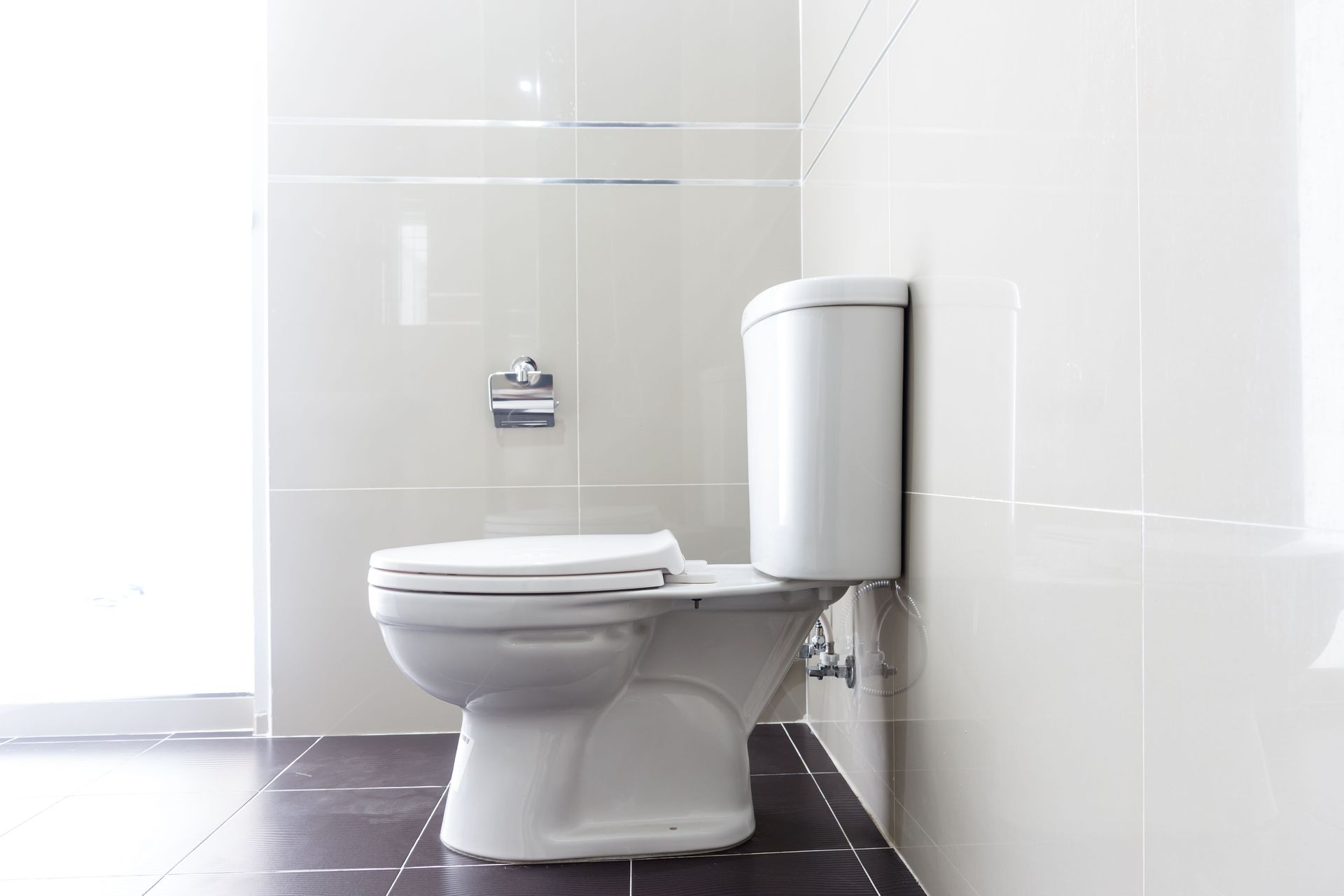
Every household depends on a properly functioning bathroom, but it is easy to take your fixtures for granted until something goes wrong. A leaking or continuously running toilet is a very common issue that can quickly disrupt your peaceful home environment. Beyond the annoying background noise, a toilet that will not stop filling can quietly waste hundreds of gallons of water each day, resulting in a shocking surprise on your next utility bill.
According to the EPA, toilets account for 30% of the average American's indoor water use. Because this single fixture handles such a large portion of your home's daily water volume, keeping it in good repair is essential for controlling your monthly expenses. Ignoring a running toilet can lead to broader plumbing issues over time, so addressing the problem quickly is always the smartest move. When minor adjustments do not solve the issue, partnering with a professional plumbing company ensures that the underlying mechanical problems are handled correctly.
Identifying Faulty Flapper Valves
The flapper valve is a small rubber disc located at the absolute bottom of your toilet tank. When you push down on the exterior flush handle, a connecting chain lifts this rubber disc up, allowing the water stored in the tank to rush down into the bowl and clear away waste. Once the tank empties, the rubber disc falls back down into place, sealing the opening so the tank can refill for the next use.
If this rubber seal fails to sit tightly against the opening, water will constantly leak out of the tank and trickle straight into the bowl. This prevents the tank from ever sealing completely, forcing your system to run non-stop to replace the lost water. Over time, the constant exposure to water minerals causes the rubber to harden, warp, or crack, which ruins the tight seal.
Spotting Signs of Flapper Failure
The most obvious sign of a failing flapper is a distinct, continuous trickling or hissing sound coming from the tank long after a flush is complete. You might also experience a frustrating phenomenon known as a ghost flush, where the toilet suddenly sounds like it is flushing itself out of nowhere. This happens because the water level inside the tank has dropped so low from a leaking flapper that the internal valve automatically triggers a brief refill cycle.
Inspecting Worn Rubber Seals
A quick visual inspection inside the tank can confirm your suspicions about a worn-out rubber seal. If you touch the rubber flapper and it leaves a black, soft residue on your fingers, the material is disintegrating and can no longer hold water back. You can also perform a simple test by placing a few drops of dark food coloring directly into the tank water.
Replacing Damaged Flapper Parts
Fixing a leaking flapper is a very straightforward task for an experienced plumbing company. The technician will start by turning off the water valve located behind the toilet and draining the tank completely. They will then unhook the old rubber piece from the overflow tube, detach the lifting chain, and secure a matching replacement in its place. Making sure the chain has just the right amount of slack is crucial so it does not accidentally hold the seal open.
Prolonging Rubber Seal Lifespan
You can protect the life of your internal rubber components by avoiding drop-in chemical cleaning tablets. While these tablets keep your bowl clean, the harsh chemicals sit constantly in the tank water and cause the rubber parts to rot prematurely. Sticking to mild cleaners and scheduling regular system checks with your local plumbing company will help your components last much longer before needing a replacement.
Fixing Malfunctioning Fill Valves
The fill valve is the tall mechanical assembly located on the left side of your toilet tank. Its job is to open up and pull fresh water into the tank after a flush, and then shut off completely once the water hits a specific height. This valve connects directly to an internal float mechanism that rises and falls along with the shifting water level inside the tank.
Detecting Fill Valve Breakdowns
When a fill valve begins to fail, it will often refuse to shut off even after the tank is full. This causes the water to rise higher and higher until it pours directly into the open overflow tube, creating a non-stop loop of running water. You might also notice loud squealing or vibrating noises coming from the pipes inside your wall when the valve tries to shut down.
Discovering Common Failure Causes
Mineral scale and debris from your main water line are the main reasons fill valves stop working. Small grains of sand or calcium deposits can easily get trapped inside the delicate seals of the valve, preventing the internal stopper from closing all the way. Age is another factor, as the plastic arms and gears can crack after years of constant movement.
Executing Fill Valve Replacements
If cleaning out the mineral deposits does not solve the issue, a professional plumbing company can quickly install a brand-new fill valve assembly. The technician will disconnect the main water supply line from underneath the tank, unscrew the old locking nut, and lift the entire valve mechanism out. They will then drop in a durable new unit, adjusting the height to perfectly match your tank's specific dimensions before tightening the seals.
Adjusting Incorrect Water Levels
The height of the water inside your tank must be set correctly for your toilet to flush with the proper amount of force. If the water level is adjusted too low, your toilet will suffer from a weak, incomplete flush that requires multiple attempts to clear the bowl. If the level is set too high, the excess water will spill over the top of the overflow tube, causing the system to run continuously.
Pinpointing Floating Mechanism Issues
Water level issues are almost always tied to a misaligned float mechanism. Older toilets utilize a hollow copper or plastic float ball attached to a long metal arm, while newer styles feature a plastic float cup that slides vertically along the main shaft of the fill valve. If these floating parts get stuck, misaligned, or waterlogged, they will misjudge the water level and allow the tank to overfill.
Correcting Tank Floating Heights
Adjusting the water height requires fine-tuning the floating mechanism so it stops the water intake at the correct spot. On older models, a technician can carefully bend the metal float arm downward to lower the water level. On modern systems, turning a small adjustment screw on top of the valve housing allows for precise control over the floating cup's travel distance.
Partnering With Professional Experts
While minor toilet adjustments might seem like a simple weekend project, attempting to force stiff components can easily crack the fragile porcelain tank. A single over-tightened bolt can shatter the base of the toilet, leading to sudden room flooding and expensive structural damage. Entrusting your fixtures to a professional plumbing company protects your property from accidental leaks.
Resolving Complex Hidden Leaks
Some running toilet issues are caused by hidden cracks inside the flush valve seat or deteriorated rubber gaskets between the tank and the bowl. These issues require completely separating the heavy porcelain tank from the base to replace the hidden seals. Professional plumbers have the specialized tools and heavy-duty parts needed to rebuild the entire flushing system safely.
A running toilet is a common household nuisance that should never be ignored. Taking care of your fixtures protects your budget from high utility bills and keeps your bathroom operating smoothly every day. When you need dependable assistance with your home's fixtures, turning to a qualified plumbing company is the best way to get long-lasting results. Contact Apple Plumbing, Inc today to schedule a service visit and resolve your running toilet issues quickly.