March 9, 2026
In an era where home maintenance is crucial, regular plumbing inspections stand out as a significant component in ensuring the safe and efficient operation of your home’s plumbing system. Plumbing systems, though often overlooked, are essential to the daily functioning of a household. Understanding the components and purpose of a professional plumbing inspection can assist homeowners and property managers in staying ahead of potential problems. These inspections are designed to identify minor issues before they escalate into major, costly repairs. Ignoring these checks can result in unexpected leaks, water damage, and even more severe structural risks.
Evaluating the Main Water Supply Line
When a pro pulls up to your curb, the first thing they usually want to look at is how water actually gets into your house. This part of the inspection is all about the main water supply line. They’ll check the shut-off valve—which is a huge deal because if a pipe bursts, you need to know that valve actually works to stop the flooding. They also look for leaks near the meter and check your water pressure. If the pressure is too high, it’s like high blood pressure for your house; it wears out your fixtures and pipes way faster than it should. Most plumbing companies will tell you that a simple pressure regulator can save you thousands in the long run.
Choosing a competent plumbing inspector involves assessing their credentials and certifications. These qualifications ensure that the professional is well-versed in the latest codes, technology, and practices pertinent to plumbing. Certifications from recognized institutions or trade bodies often signify a mastery of plumbing techniques and a commitment to ongoing education.
Assessing the Water Heating Equipment
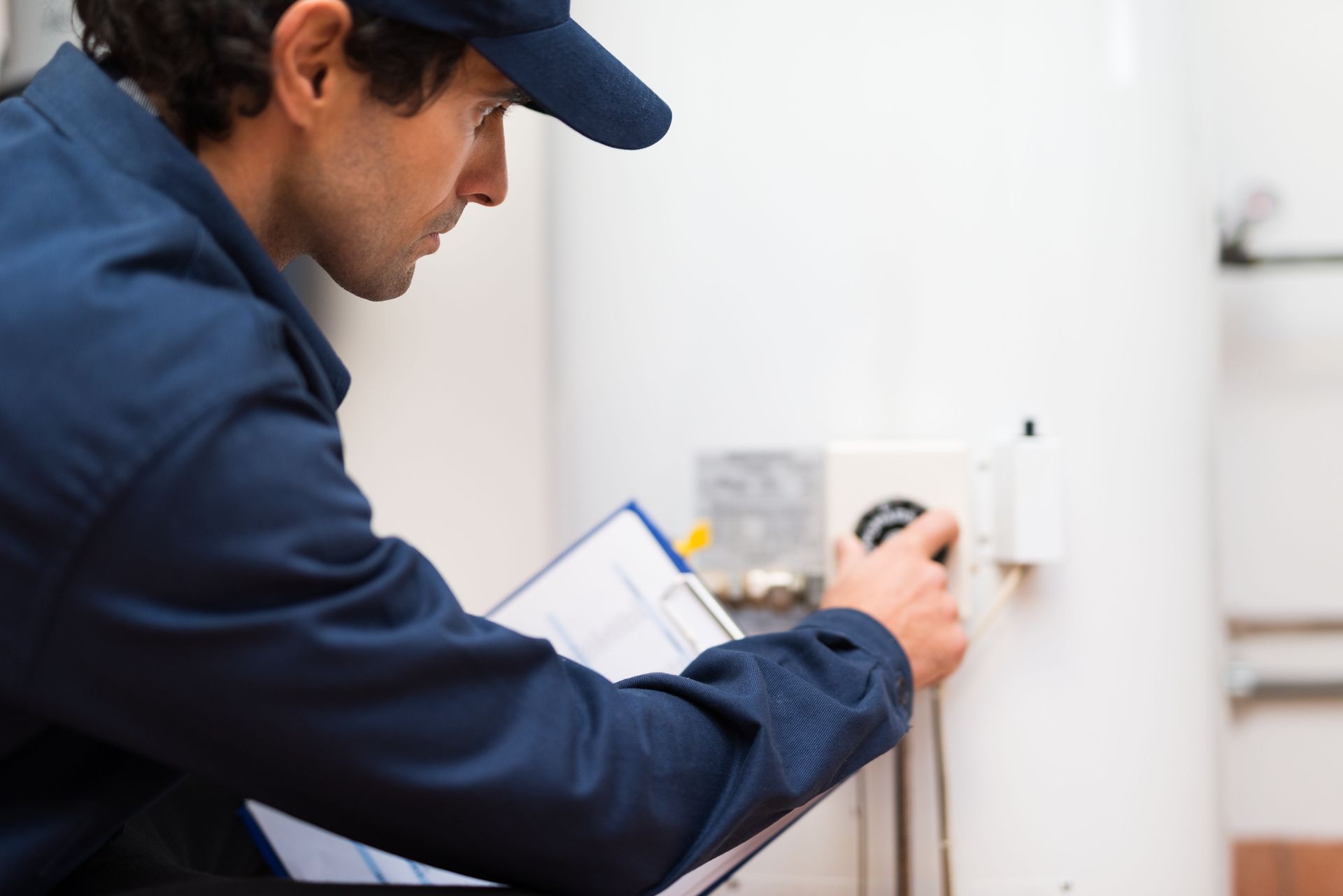
We all take hot showers for granted until the water turns icy. During a professional walkthrough, the tech is going to give your water heater a serious once-over. They aren’t just looking to see if it’s hot; they’re checking the pressure relief valve, looking for signs of corrosion or "weeping" at the joints, and checking the burner assembly or heating elements. If you have a tank-style heater, they might check for sediment buildup. It’s one of those things where a little maintenance goes a long way. Trusted plumbing companies often find that a water heater on its last legs gives off subtle warnings that only an expert eye catches.
Obtaining information about the experience level of a plumbing inspector is equally important as reviewing their credentials. An inspector with considerable years in the industry brings a wealth of practical knowledge gained from dealing with diverse plumbing issues. This extensive exposure to real-world scenarios equips them with the ability to spot hidden problems or uncommon issues that might be overlooked by less experienced professionals.
Inspecting All Interior Fixtures and Drains
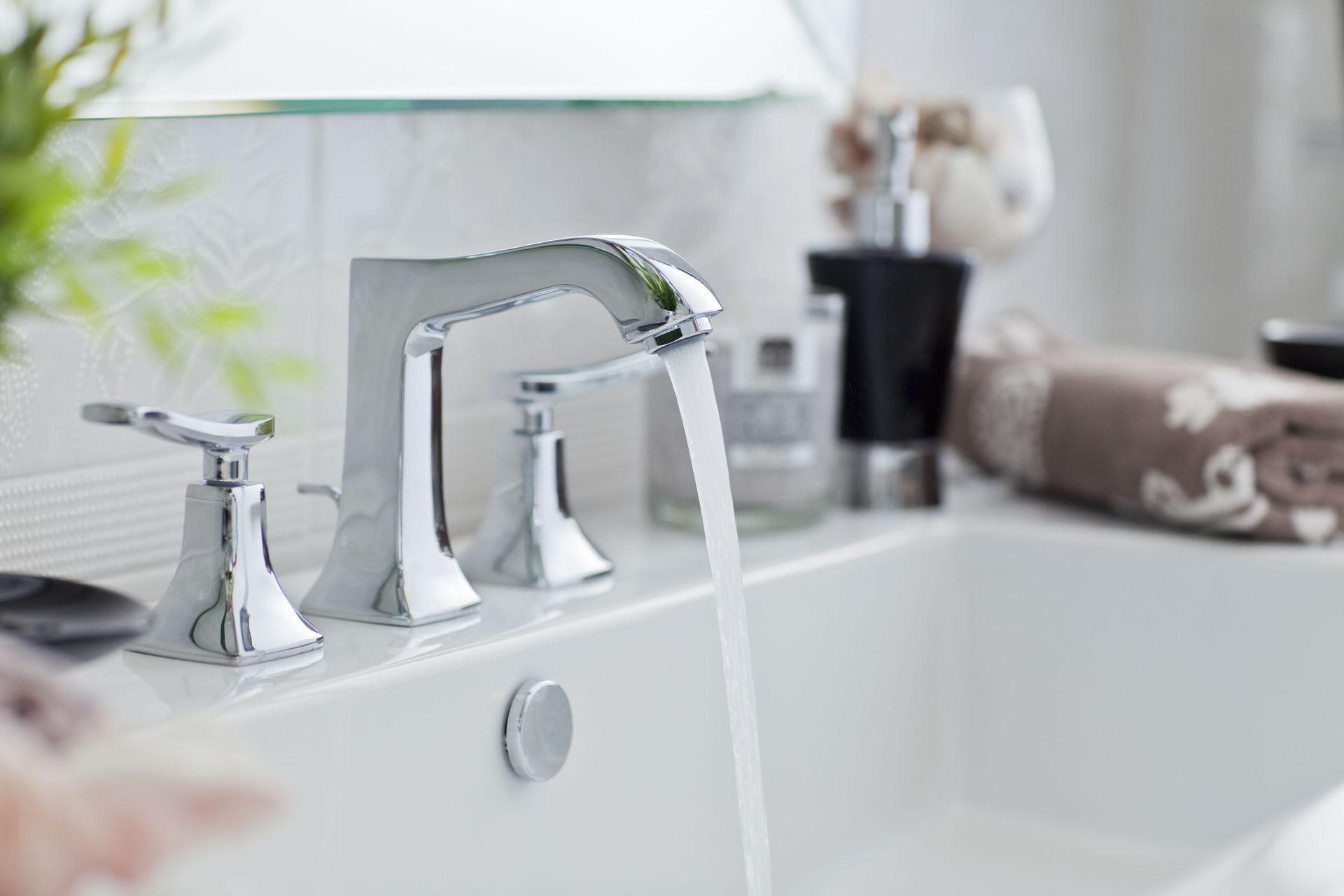
This is the part of the job where the inspector walks through every room with a faucet or a drain. They’ll head into the kitchen, bathrooms, and laundry room to check for "slow drains" or hidden leaks under the sinks. They are also looking at the "p-traps"—those curved pipes under your sink—to make sure they aren't corroded or leaking. It’s not just about the water coming in, but how it leaves. According to IBISWorld, there are 7,756 businesses in the septic, drain and sewer cleaning industry, which shows just how common it is for drainage issues to require professional intervention. Having your fixtures checked ensures you aren't part of a messy emergency statistic later.
Reputation can serve as a guiding beacon when selecting a plumbing inspector. Perusing reviews and testimonials provides a window into the experiences of previous clients, offering unfiltered insights into the quality of an inspector’s work. A strong reputation is often built on a history of reliable service, thorough inspections, and honest assessments. Reviews can highlight an inspector's strengths, such as punctuality, depth of the inspection, and clarity of communication. Word-of-mouth recommendations remain a powerful tool when assessing the viability of potential inspectors.
Examining the Visible Piping Infrastructure
If you have an unfinished basement, a crawlspace, or an attic where pipes are exposed, the inspector is going to go climbing. They are looking for "sweating" pipes, mineral deposits (which look like white crusty spots), or any signs of "pitting" on copper pipes. This is where they catch the "ticking time bombs." Even if you don't see water on the floor, these signs tell a story of a pipe that's about to give up. Reliable plumbing companies use this time to ensure that your pipes are properly supported and insulated, especially if you live in an area where the ground freezes.
A service guarantee is an important consideration when hiring a plumbing inspector as it reflects their confidence in the service provided. Generally, a guarantee implies that if any issues arise post-inspection due to oversight, the service will address them at no additional cost. This not only enhances trust between the inspector and the client but also underscores a commitment to thorough and reliable work. Service guarantees safeguard clients against unforeseen expenses and reinforce the inspector’s accountability in ensuring comprehensive evaluations. Such guarantees often cover a specific time frame post-inspection, during which the inspector agrees to address any discrepancies or oversights.
Testing the Toilet and Flapper Functionality
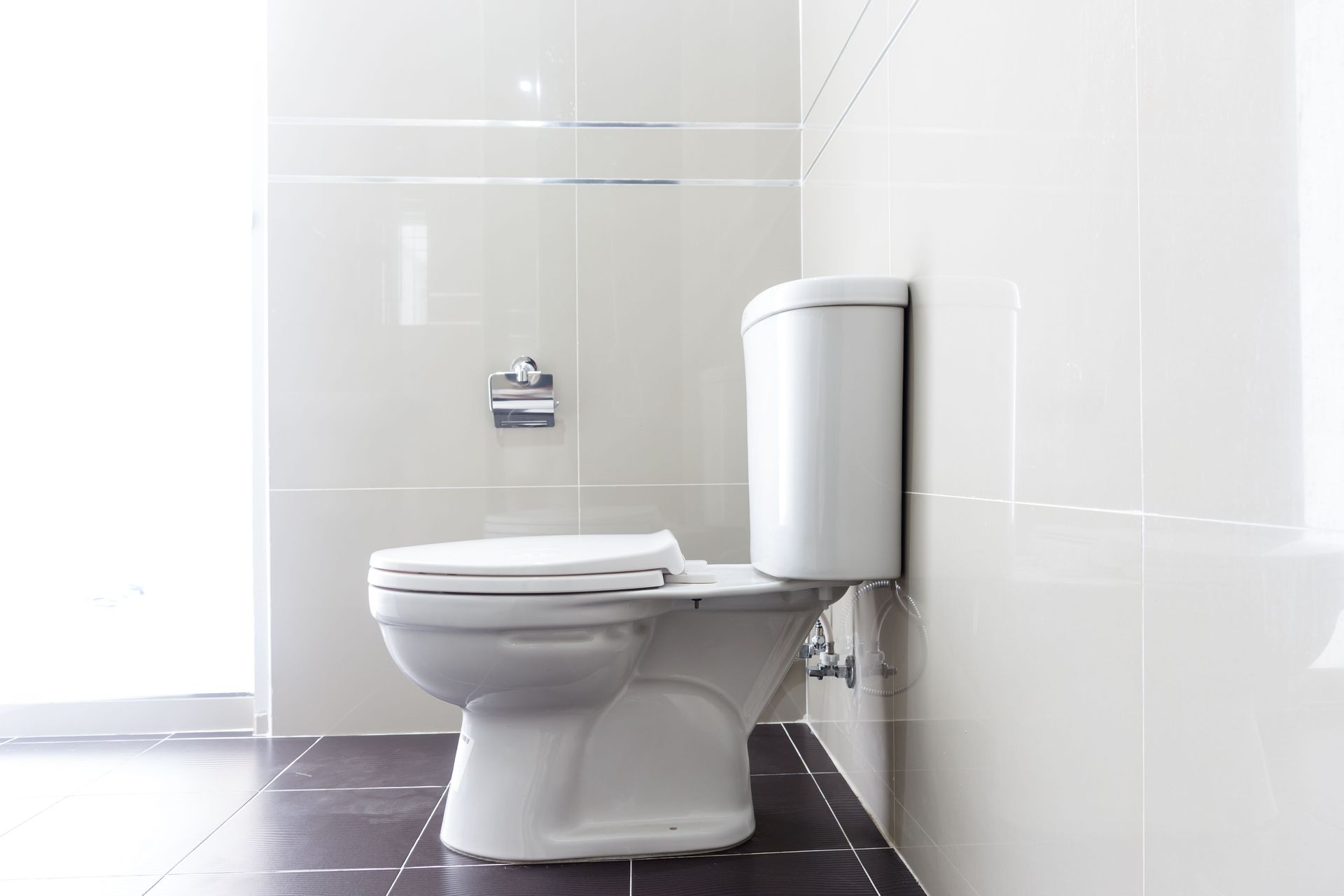
It sounds simple, but a leaking toilet is one of the biggest silent killers of a monthly budget. The inspector will perform a dye test or a flush test to see if the flapper is sealing correctly. They also check the base of the toilet to make sure the wax ring is still intact and that the toilet doesn't "rock" when you sit on it. A rocking toilet isn't just annoying; it eventually breaks the seal and causes the subfloor to rot.
Managing the timing of a plumbing inspection is crucial for ensuring ongoing maintenance and timely interventions. An inspector's availability can greatly influence the convenience and scheduling of the inspection. Efficient communication with potential inspectors can help gauge their responsiveness and willingness to accommodate your timetable. Balancing frequency with convenience, it's advisable to follow expert recommendations for regular inspection intervals.
Checking the Outdoor Spigots and Drains
People often forget that the plumbing doesn't stop at the exterior walls. The inspector will go outside to check your hose bibs (outdoor faucets). They want to make sure these haven't frozen and cracked over the winter. They’ll also look at your perimeter drains and gutters to ensure water is moving away from the foundation. If water pools around your house, it can put a lot of pressure on your underground sewer lines. High-quality plumbing companies treat the exterior of the home with as much priority as the interior to ensure the whole system is balanced.
Before a plumbing inspection takes place, it’s vital that homeowners understand the full scope of the inspection to ensure alignment between expectations and the services provided. This involves a thorough discussion with the inspector about the specific systems and areas that will be examined. Comprehending the inspection scope allows homeowners to prepare adequately by clearing access points and ensuring any specific concerns are addressed in detail. Generally, the inspection evaluates both interior and exterior plumbing systems to provide a holistic overview.
Reviewing the Final Inspection Summary Report
Once the tools are packed up, the most important part happens: the conversation. Your inspector should sit down with you and go over a detailed report. This isn't just a list of "broken" things; it's a health chart for your home. They will categorize issues into "immediate repairs," "upcoming maintenance," and "good to go." This report is your roadmap for the next year of home ownership. Professional plumbing companies will provide photos and explanations so you aren't left guessing about what’s happening behind your walls.
Clearing access areas prior to a plumbing inspection is a critical and often overlooked step toward achieving a smooth evaluation process. By clearing these spaces ahead of time, homeowners ensure that the inspector can access all necessary areas without obstruction, which saves time and reduces the chances of missing crucial components during the inspection. Open communication with the inspector about any concerns is essential for leveraging the full benefits of a plumbing inspection. Homeowners may have specific issues, such as unusual water pressure fluctuations, recurring clogs, or persistent damp odors, that should be communicated explicitly. If you are ready to ensure your home's safety and efficiency, contact Apple Plumbing, Inc.